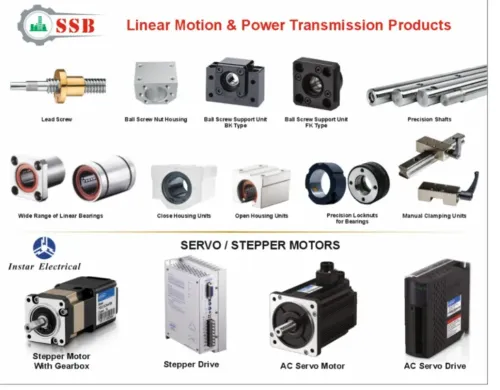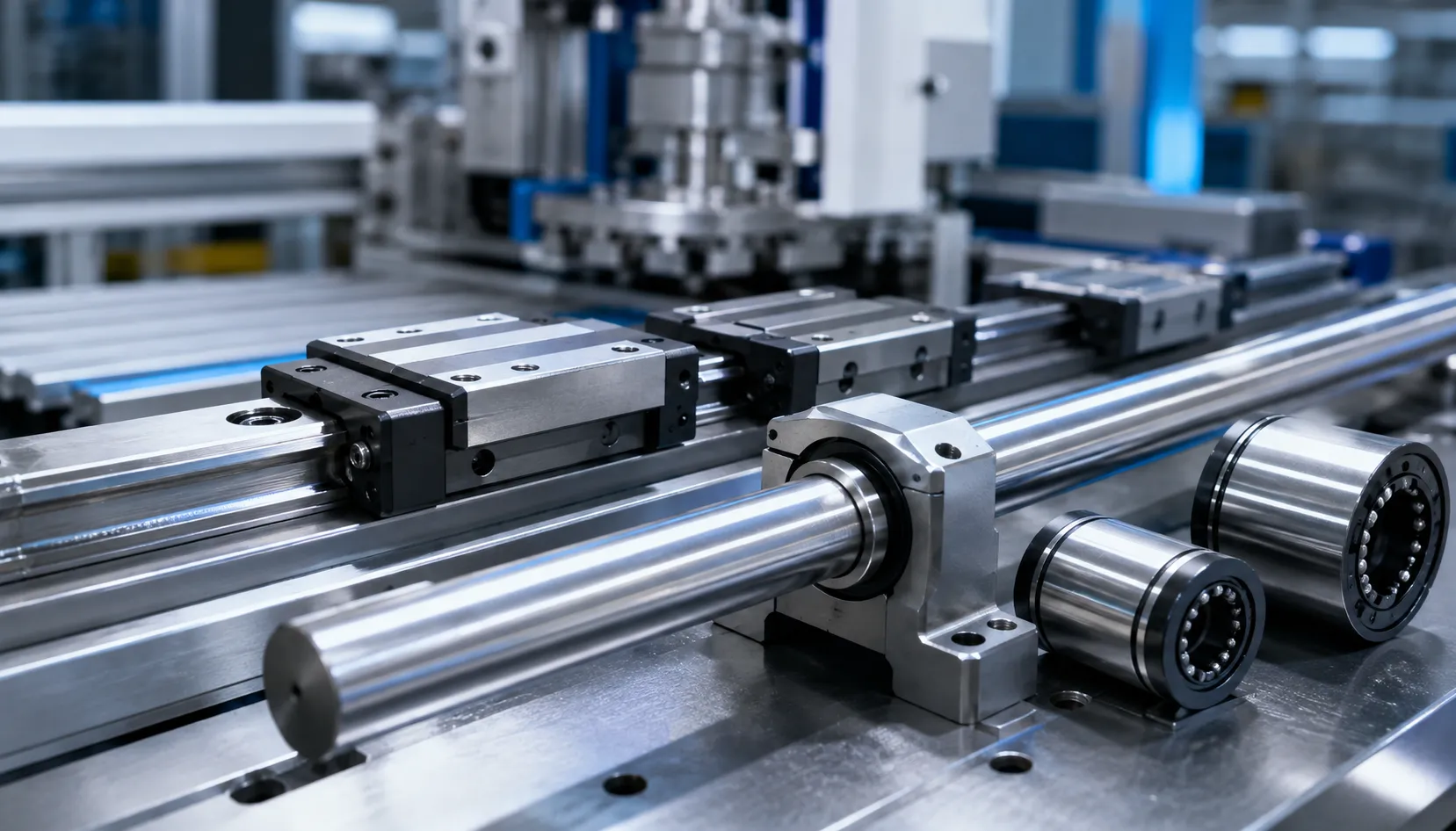
Every automated machine depends on controlled movement to achieve accurate and repeatable results. One of the most important elements in any linear motion system is the bearing, which allows moving components to travel with minimal friction while maintaining alignment. Mimy Linear Bearings and Motion Solutions are designed to support stable, efficient, and long-lasting machine operation across a wide range of industrial applications.
For manufacturers in Coimbatore and across Tamil Nadu, where automation continues to transform production processes, selecting dependable linear bearings helps improve productivity, reduce maintenance requirements, and extend equipment life.
The Role of Linear Bearings in Industrial Machinery
Linear bearings support controlled movement along shafts or guide rails while reducing friction between moving parts.
Their primary functions include:
- Guiding linear movement
- Supporting operational loads
- Maintaining alignment
- Reducing wear
- Improving positioning accuracy
- Enabling smooth machine operation
Without properly selected bearings, even advanced automation equipment may experience reduced accuracy and increased maintenance.
Advantages of High-Quality Linear Bearings
Reliable bearings contribute significantly to machine performance.
Some of the key advantages include:
Smooth Motion
Low-friction movement allows machines to operate efficiently at both low and high speeds.
Better Accuracy
Consistent movement helps maintain precise positioning during repetitive manufacturing operations.
Reduced Wear
Quality bearings minimise contact friction, protecting both shafts and guide systems from premature damage.
Higher Productivity
Stable machine performance reduces downtime and supports uninterrupted production.
Lower Operating Costs
Long-lasting bearings reduce replacement frequency and maintenance expenses over the life of the equipment.
Industrial Applications
Linear bearings are widely used across numerous manufacturing sectors.
Typical applications include:
- CNC machinery
- Industrial automation
- Packaging equipment
- Textile machinery
- Robotics
- Electronics manufacturing
- Pharmaceutical equipment
- Printing systems
- Conveyor automation
- Assembly lines
Each application requires bearings that match specific speed, load, and environmental conditions.
How to Select the Right Linear Bearing
Proper selection improves both machine efficiency and component life.
Consider the following factors:
- Shaft diameter
- Load capacity
- Operating speed
- Travel distance
- Environmental exposure
- Lubrication requirements
- Mounting arrangement
- Required precision
Evaluating these parameters ensures compatibility with the overall motion system.
Signs That Bearings Need Replacement
Routine inspections can identify problems before they lead to costly downtime.
Common warning signs include:
- Increased operating noise
- Excessive vibration
- Rough movement
- Visible wear
- Loss of positioning accuracy
- Higher operating temperatures
Replacing worn bearings early helps protect surrounding machine components from additional damage.
Maintenance Tips for Longer Bearing Life
Regular maintenance improves reliability and extends service intervals.
Best practices include:
- Keep shafts and bearings clean.
- Apply suitable lubricants at recommended intervals.
- Protect bearings from contaminants.
- Inspect seals regularly.
- Monitor machine alignment.
- Replace damaged components promptly.
Preventive maintenance supports consistent machine performance while reducing unexpected repairs.
Working with an Experienced Industrial Supplier
Selecting linear bearings involves more than choosing the correct dimensions. Technical expertise helps ensure that every component matches the application's operating conditions, load requirements, and performance expectations.
SSB Industrial Solutions assists machine manufacturers, OEMs, and automation companies by supplying precision motion products backed by application-focused technical support. Businesses across Coimbatore benefit from solutions that improve equipment reliability, minimise maintenance, and support efficient industrial automation.
As manufacturing continues to advance, investing in quality linear bearings remains an effective strategy for achieving accurate motion control, longer equipment life, and consistent production performance.
Keywords